

INTRODUCTION
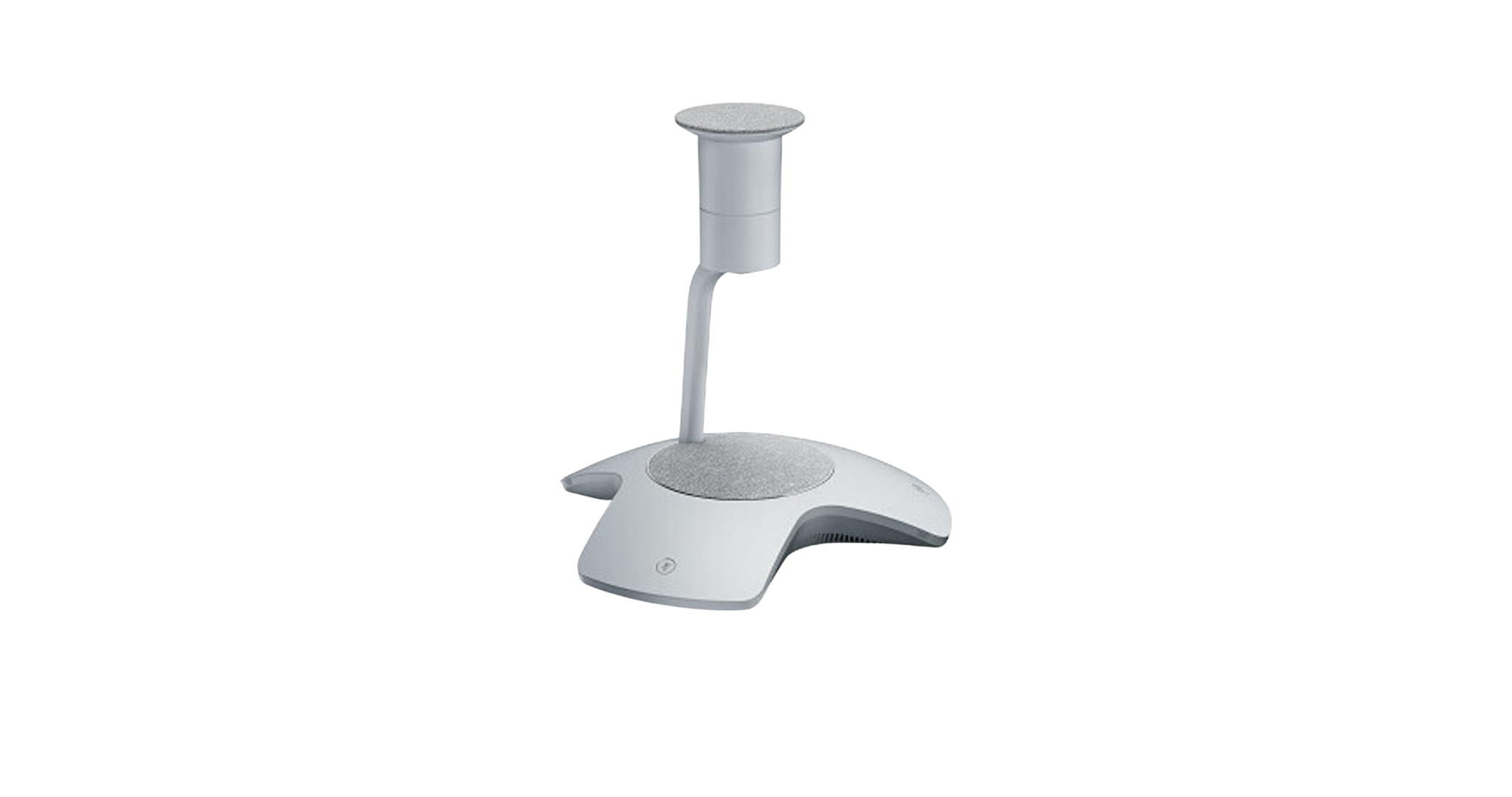
Microsoft set out to redefine the conference room experience with its third-generation roundtable device, designed to make hybrid meetings feel more natural and inclusive. The goal was simple in concept but complex in execution: place an intelligent camera at the center of the table and give remote participants a clear, dynamic view of everyone in the room.
Previous iterations had fallen short. Earlier designs struggled with form factors, processing limitations, and user experience, creating friction instead of seamless collaboration. The next generation needed to correct those issues while dramatically increasing performance. Microsoft partnered with Indesign to develop a high-performance, production-ready reference design capable of delivering real-time AI-driven video all within a compact, table-friendly device.
ISSUES
As development began, the scope and complexity quickly
came into focus:
- Extraordinary video processing demands. The system needed to simultaneously generate multiple video streams, including panoramic views and individual participant feeds.
- Edge AI requirements. Face tracking, active speaker detection, and whiteboard recognition had to run locally with minimal latency.
- Thermal limitations. High-performance processing created significant heat, forcing a careful balance between power, size, and user-safe surface temperatures.
- High-speed system complexity. Integrating multiple processors, sensors, and interfaces required dense PCB design and precise signal management.
- Evolving requirements. Initial specifications expanded over time, requiring continuous architectural reassessment and tradeoff analysis.
IMPLEMENTATION
Indesign approached the challenge with a system-level mindset, prioritizing architecture, scalability, and cross-disciplinary collaboration:
- Distributed processing architecture. Balanced workloads across GPU, CPU, and dedicated vision processors to handle AI and video encoding efficiently.
- Scalable video pipeline. Enabled simultaneous multi-stream output while optimizing resolution and bandwidth tradeoffs.
- Custom imaging integration. Worked closely with camera vendors to incorporate high-resolution sensors capable of full-room capture and intelligent cropping.
- Iterative architecture exploration. Evaluated multiple system approaches to identify the best balance between performance, power, and cost.
- Thermal-mechanical co-design. Engineered a form factor that safely dissipates heat while maintaining a clean, table-centered experience.
- Production-ready delivery. Provided a complete design package, including hardware, firmware, validation testing, and manufacturing documentation.
ANTICIPATED IMPACT
- Transformed hybrid meetings. Enables a more natural and engaging experience by intelligently presenting both the room and individual participants.
- Accelerated product development. Delivered a turnkey reference design that OEM partners can adapt and bring to market quickly.
- Proven edge AI capability. Demonstrated that high-performance video processing and AI workloads can run reliably in a compact device.
- Foundation for future innovation. Established a scalable platform for continued advancements in conferencing technology.
INSIGHT
Solving Complexity at the System Level
There was no single breakthrough here, only the challenge of making an incredibly complex system perform as one. Successfully combining high-resolution imaging, multistream video processing, and real-time AI within a compact device required disciplined architectural thinking and constant iteration.
Indesign’s ability to evaluate multiple system approaches, align cross-functional teams, and deliver a production-ready solution highlights a key truth: when complexity grows, success depends on how well the system is designed, not just
the components within it.