
Mechanical
Design Optimized for Manufacturing
Mechanical design is where product concepts become a manufacturable reality. Our mechanical engineers handle everything from enclosures and mechanisms to thermal analysis, stress analysis, and design for manufacturing. We work alongside the electrical and PCB layout teams from concept through production, ensuring your design is optimized for performance, cost, and manufacturability.

What We Design
Enclosures
Custom housings for electronics in injection-molded plastic, die-cast metal, sheet metal, and machined aluminum. We design for manufacturability, considering draft angles, wall thickness, undercuts, and parting lines from the start.

Mechanisms
Creating reliable mechanical features that complement our electronics designs—such as mounting structures, hinges, latches, springs, and keypads. Our goal is functional, robust integration rather than complex mechanisms, ensuring your product’s mechanical elements are durable and work seamlessly with its electronics.

Thermal management
Heat sinks, fans, vents, and thermal interface materials to keep electronics within operating temperature range.
Industrial design
External appearance, button placement, display integration, and overall product styling. We work with industrial design partners or develop concepts in-house, balancing aesthetics with engineering constraints.

Material selection
Choosing materials that meet mechanical requirements, cost targets, and environmental conditions. We specify plastics, metals, elastomers, and composites based on strength, stiffness, temperature resistance, and manufacturability.
Analysis Capabilities
Finite element analysis (FEA)
Static stress analysis to verify parts won’t fail under load. Dynamic analysis for vibration and impact. Modal analysis for resonance frequencies. We optimize designs to meet strength requirements while minimizing weight and cost.
Specification analysis
Design and test to your project or industries standardized specification, whether its IP67 or rugged military specs.
Environmental testing
Humidity and temperature chambers (hot and cold) to validate designs across operating conditions. We test components and assemblies to ensure they perform reliably in the environments your product will face.
Our Design Process

Requirements and architecture
We start by understanding size constraints, features, durability requirements, and environmental conditions. This defines the high-level mechanical structure and how components integrate.

CAD design
Detailed 3D models using PTC Creo and SolidWorks. We model all mechanical parts and integrate them with PCBs and other components, verifying fit and clearances digitally before ordering prototype parts.

Analysis and simulation
ANSYS finite element analysis for stress and deflection. Autodesk CFD for thermal and fluid flow analysis. These simulations answer questions about structural integrity and cooling before we build prototypes.

Prototyping
We fabricate prototype parts to validate the design in physical form. We assemble prototypes with electronics to create fully functional prototypes, allowing us to confirm mechanical performance and uncover integration issues early.

Testing
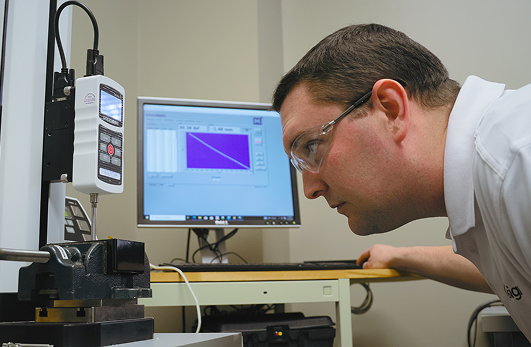
Drop testing, vibration testing, temperature cycling, and durability testing in our mechanical lab. We verify that parts meet requirements and survive the conditions they’ll encounter in the field.

Production support
Design release documentation for toolmakers and manufacturers. On-site support during tool development and initial production runs to resolve any manufacturing issues.
Tools and Facilities
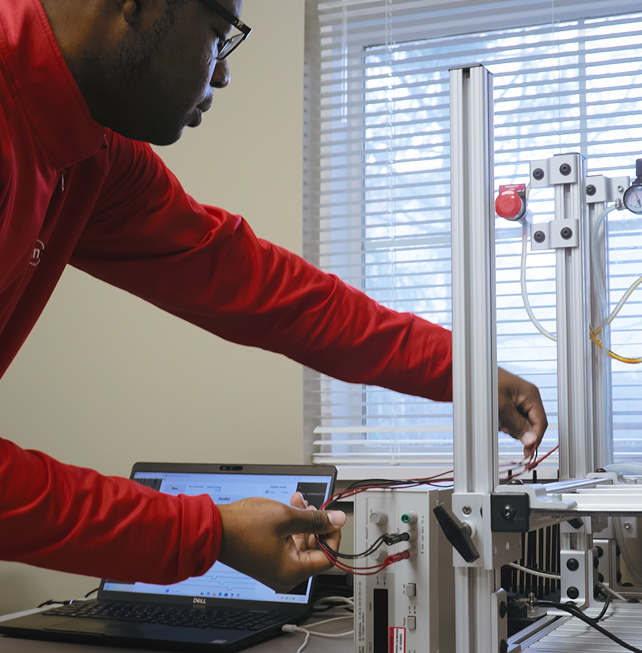
Multiple CAD workstations running PTC Creo and SolidWorks. Mechanical lab with tools for modification, assembly, and testing of prototype parts. Environmental chambers for temperature testing. Relationships with rapid prototyping vendors for 3D printing, CNC machining, and tooling.
Design for Manufacturing
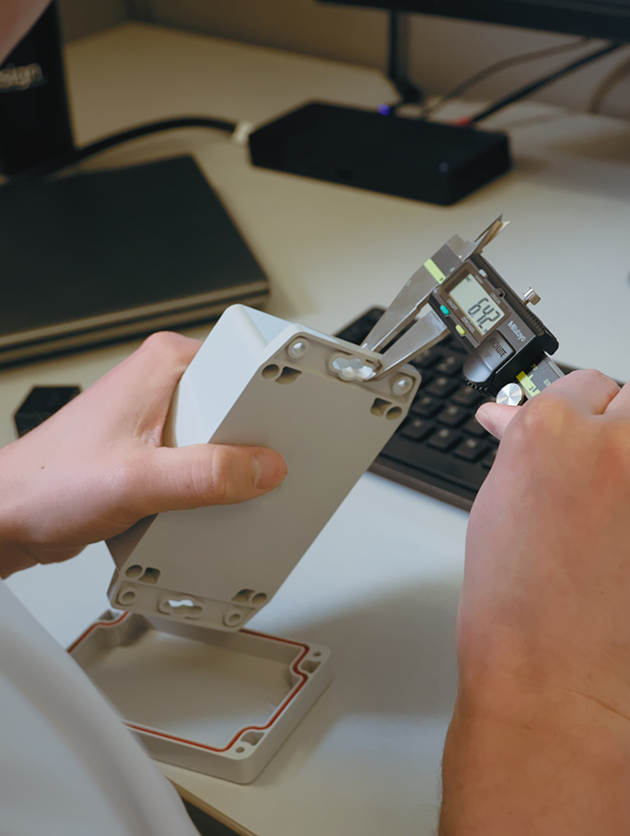
Mechanical designs that look great in CAD sometimes can’t be manufactured economically. We design with manufacturing in mind from the start, considering injection molding constraints, sheet metal forming, die casting requirements, and assembly complexity. Our experience working with factories worldwide means we understand what actually happens on the production floor, and we design accordingly.
Why Mechanical Matters
You can’t sell a final product without an enclosure. You can’t ship a product that overheats. You can’t survive field use if your housing cracks when dropped. Mechanical design determines whether your product works in the real world, not just on the bench.
We’ve designed enclosures for everything from handheld medical devices to industrial controllers mounted in harsh environments. The difference between a mechanical design that works and one that causes problems in production is understanding manufacturing processes, material behavior, and thermal management while having tools to verify performance before committing to tooling.